

Planning security for an event: a simple checklist
Good event security starts weeks before the gates open. Use this checklist to work out what you need, and what to tell a security company when you book.
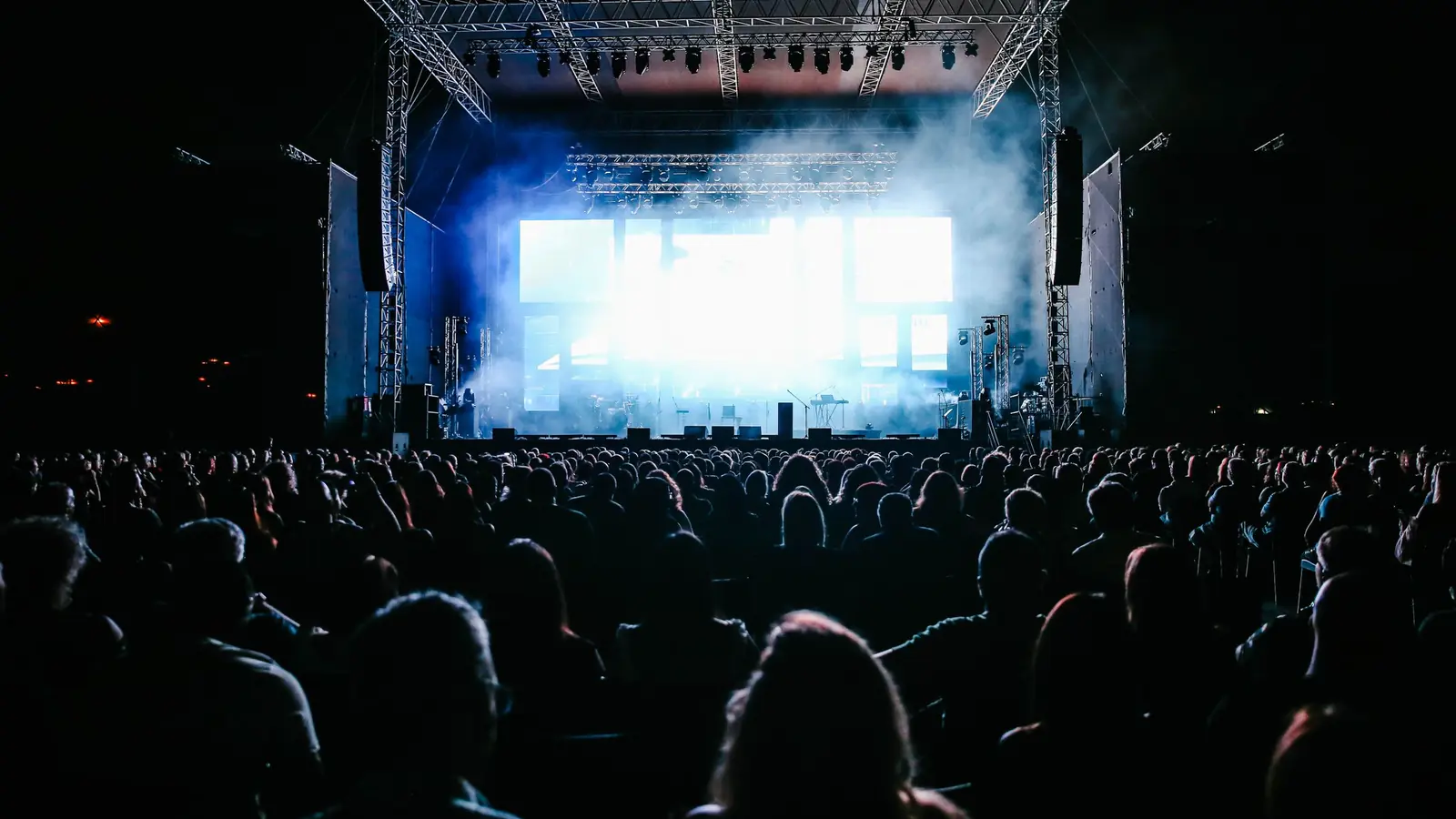
Whether you are running a concert, a festival, a sporting fixture or a private party, security works best when it is planned early and built around the event itself.
Know your numbers. How many people are expected, is it ticketed, and what is the maximum capacity of the venue or site? Numbers drive almost every other decision, including how many officers and stewards you need.
Do a risk assessment. Look at the type of event, the audience, whether alcohol is sold, the time of day and anything that could cause problems, such as queues, crowd surges or bad weather. For larger events, your local council's Safety Advisory Group may want to see your plans.
Check your licence. Premises licences and event licences can include conditions on security, such as SIA-licensed door supervisors at entrances or a minimum number of staff at certain times.
Plan the entry points. Decide how people will arrive, where bags will be searched, how tickets and ID will be checked, and how you will manage queues so they do not spill into roads.
Plan for when things go wrong. Agree how lost children, medical emergencies, ejections and evacuations will be handled, and how security, stewards, medics and event control will talk to each other, usually by radio.
Think ahead to Martyn's Law. When it comes into force, larger events will need documented plans and measures to reduce the risk and impact of an attack.
When you contact us, send the date, location, hours, type of event, expected numbers and any licence conditions. We will confirm availability, suggest the right mix of officers and stewards, and send a clear quote. This article is general information, not legal advice.